Debian-Based Desktop Distributions in 2003
A shared base, different experiences
A December 2003 Slashdot discussion directly references Debian Planet ID 1025 as a pointer to an OSNews review series about Debian-derived distributions. The link establishes the broad subject; the original Debian Planet commentary is not available here.
The surviving series offers a snapshot of an era when distributions competed not only on available software but also on the effort required to install and maintain a desktop. The MEPIS review and the LindowsOS 4.5 review address different products within the same broad Debian ecosystem. The final Xandros review identifies the other installments, including Libranet, and frames the comparison around small-office and home-office use.
What a derivative changes
A derivative can retain much of its parent distribution’s packaging approach while selecting a different installer, default desktop, configuration utility or software catalog. These choices can reduce setup work for a particular audience. They can also produce compatibility questions if the derivative’s package versions or modifications diverge from the parent archive.
For that reason, a useful comparison looks beyond the initial desktop appearance. It asks how users obtain security updates, install additional programs, handle hardware and move to the next release. A distribution that is comfortable on the first day may require a different maintenance strategy over time.
Reading old reviews today
These reviews are evidence of the products and expectations of 2003, not current purchasing advice. The value of comparing them today is understanding how desktop Linux projects experimented with usability on a shared technical foundation. A historical review should retain its original context rather than treat its conclusions as benchmarks for present-day distributions.
The installation experience as a point of comparison
A distribution’s installation experience is often the first direct encounter a user has with its design choices. The user may need to decide how to organize storage, select a desktop, configure networking, or coexist with an existing operating system. Different projects can make those decisions easier for particular audiences by choosing defaults or providing configuration tools. A more guided process can reduce the number of questions a new user must answer, though it may also conceal options that an experienced administrator wants to control.
The surviving OSNews comparisons are helpful because they concern distinct products rather than an abstract description of Debian. They give readers an opportunity to examine how reviewers assessed software selection, setup and everyday operation at a particular point in time. An account of the period should distinguish a reviewer’s reported experience from a feature that every installation is guaranteed to provide.
The products’ common Debian ancestry is relevant, but it does not mean their installation processes or package catalogs were identical. Each product could make its own choices about integration, documentation and support. A comparison that treats all derivatives as interchangeable would overlook those choices, which were precisely what made a desktop review series useful.
Maintenance after installation
The initial desktop is only one stage in a user’s experience. Over time, people may need additional software, compatibility with new hardware, security updates or an upgrade to a new release. The way a distribution handles these tasks can be more important than how its default desktop looks immediately after installation.
A package manager needs information about available versions and their dependencies. A derivative may build or modify packages and provide its own repositories. If users mix repositories without understanding compatibility, the package manager may encounter incompatible requirements. The practical question is not simply whether a package is labeled for Debian, but whether it is suitable for the installed system and supported by the distribution’s maintenance process.
Documentation is another part of this experience. Clear instructions can make it easier to install additional software, report a problem and recover from an unsuccessful update. Reviewers may naturally focus on tasks they personally tested. Historical readers should therefore avoid extrapolating from a few successful operations to a comprehensive judgment about long-term maintenance.
The role of removable media
Knoppix and live CDs provide another useful point of comparison. A live environment can let a user explore software and test some hardware without first installing an operating system. An installation-focused distribution addresses a different set of needs, including persistent configuration and the ability to maintain the system after setup. The ability to try an environment and the ability to operate it reliably for months are distinct benefits.
When considering early desktop projects, it is helpful to ask which of those tasks the product was intended to simplify. A system might be attractive for demonstrations, for home users, or for organizations seeking a predictable desktop environment. The same Debian packages can contribute to each use case, while the integration choices remain different.
From early derivatives to later developments
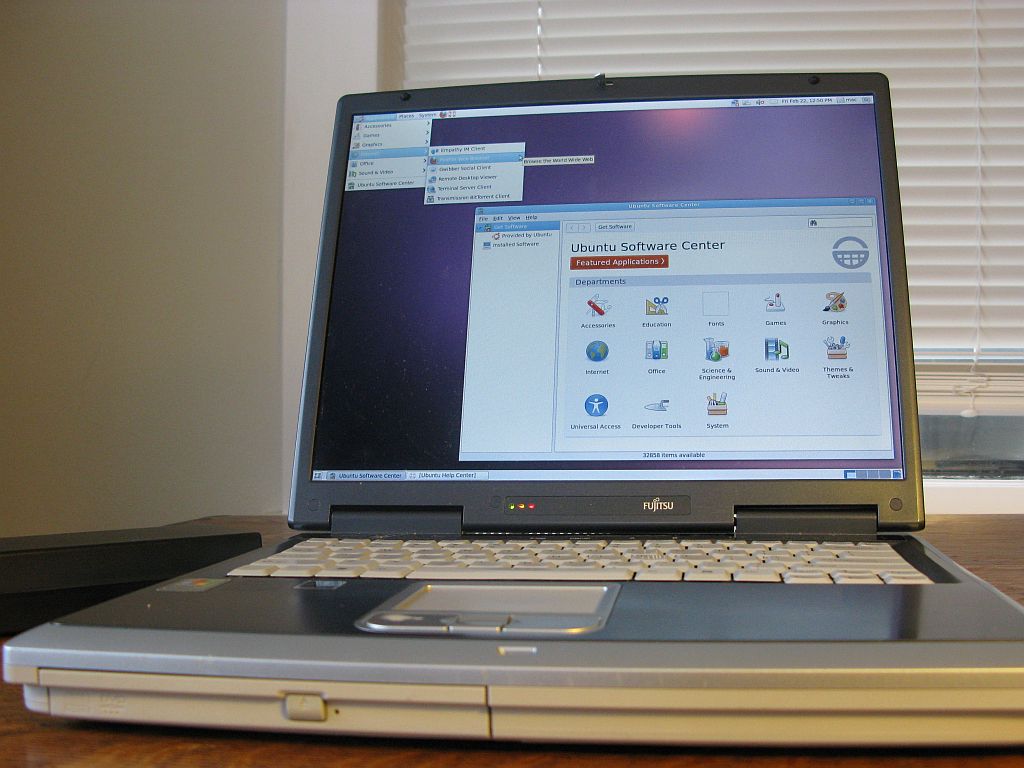
The emergence of Ubuntu in 2004 provides a subsequent historical example of a Debian-based project with its own approach to releases and desktop integration. It should not be inserted into a 2003 comparison as though it were already one of the products reviewed. Instead, it offers a way to examine how some of the questions about installation, package selection and release management continued to matter in later years.
A historical comparison can therefore be organized around problems rather than a contest between obsolete products. What steps were required before a user could reach a functioning desktop? How much software was initially available? What did the distribution explain about updates and compatibility? What choices remained with the user? These questions remain useful even though the specific software versions have changed.
How to interpret the review series today
Period reviews capture the conditions, expectations and limitations of their own time. A task that required manual setup in 2003 may be handled differently by current software, and an application that mattered to a reviewer may no longer be maintained. The surviving articles should not be used as contemporary recommendations to install those releases on an internet-connected machine.
The significance of the review series is that it documents a period when several desktop products explored how to deliver a usable system using Debian as a foundation. Their choices expose the difference between providing a broad collection of packages and integrating a particular desktop experience. Studying those decisions can help explain why distributions develop distinct identities even when they share much of their underlying software. The historical Debian Planet reference establishes the subject of the coverage; the surviving individual reviews supply the details that can actually be checked.
Comparing the surviving reviews responsibly
The OSNews articles also raise a methodological question: how should a reader compare desktop distributions when different products have been assessed on different dates? A reviewer may have encountered a particular graphics adapter, a specific installation image or a particular version of a configuration utility. Those conditions matter. A useful comparison would record the tested release, the hardware where it is identified, the tasks attempted and the distinction between observations and opinions.
This approach avoids treating a favorable report as proof that the same result would occur on every computer. It also allows a reader to extract practical historical information without repeating an old ranking as a current recommendation. In the absence of the original Debian Planet article, the surviving review series provides independent evidence for the products it discussed. Its individual assessments should remain attributed to their respective authors. The retrospective can then explain the broader relationships between the projects without inventing a conclusion that the lost article might never have expressed.